
Did you know that the cost of chartering a private flight can start as low as $4,000 an hour? This surprising figure opens the door to a world of luxury travel that many may think is out of reach. Understanding what influences the price of these flights can empower you to make informed decisions for your next journey.
In this guide, you will explore various factors that shape the expenses associated with booking a private flight. From the size of the aircraft to the timing of your travel, each element plays a crucial role in determining what you pay. You’ll also discover real pricing examples and smart strategies that can help you navigate the often complex world of private aviation.
By breaking down hourly rates for different aircraft types, you can match your travel needs with the right option for your budget. This comprehensive overview will help you understand why some flights may cost more than others and how to take advantage of opportunities to save.
Understanding the Average Private Jet Charter Cost
The world of luxury travel is more accessible than you might think, with costs for a private flight starting at around $4,000 per hour. However, the expenses associated with booking a private jet can vary significantly. Understanding these variations can help you make informed decisions.
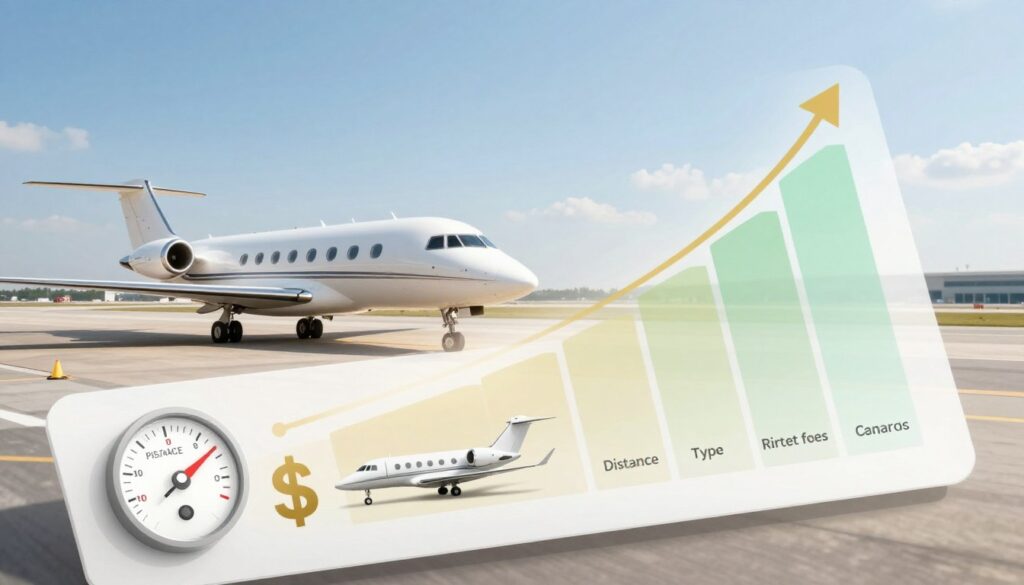
Several factors influence the pricing of private jet charters. The distance of your flight is one of the most critical elements. Longer flights consume more fuel and require additional crew hours, which can lead to higher charter costs.
The type of aircraft you choose also plays a significant role in determining the price. For instance, light jets generally start at around $4,000 per hour, while ultra-long-range jets can exceed $15,000 per hour. Your choice will directly impact your overall travel expenses.
Another important consideration is your charter destination. Flying into busy airports, such as JFK or Miami International, often incurs higher landing fees and handling charges. Being aware of these costs can help you budget more effectively.
Additionally, peak demand times, like holidays or major events, can drive up the costs of private jet flights. If you can plan your travel around these busy periods, you may find more favorable pricing.
Lastly, aircraft positioning can affect your final invoice. If your selected jet needs to fly from another city to pick you up, those ferry flight costs will be added to your bill. Understanding these factors will allow you to ask the right questions when requesting quotes.
By grasping these fundamentals, you set yourself up for a smoother planning experience. Knowing what influences the cost enables you to make smarter trade-offs, such as opting for a slightly smaller aircraft or choosing a nearby regional airport to stay within your budget.
User intent behind researching private jet charter pricing often revolves around finding transparency and avoiding sticker shock. With this knowledge, you can plan a private jet journey that meets both your expectations and your budget.


Breakdown of Key Factors Affecting Private Jet Charter Costs
Understanding the nuances of private flight pricing can significantly enhance your travel planning. Several factors contribute to the overall expenses, making it essential to grasp how each element interacts.
Flight Time and Distance
The foundation of your private flight pricing lies in the flight time and distance. Every hour in the air consumes fuel, accrues crew salaries, and advances maintenance schedules on the aircraft.
While you might think a short hop from New York to Boston is economical, fixed costs like landing fees and crew minimums can make those quick flights surprisingly expensive on a per-mile basis.
Aircraft Type and Size
The type and size of the aircraft directly influence hourly rates. Turboprops and light jets offer the most affordable entry point, while heavy jets command premium pricing for their extended range and spacious cabins.
When you opt for a larger aircraft, you’re not just paying for more seats; you’re also covering higher fuel burn, greater landing weight fees, and often a required flight attendant on board.
Charter Destination and Airport Access
Your charter destination and airport access significantly shape costs. Landing at a major hub like Los Angeles International can trigger fees exceeding $1,000, while a smaller regional airport may charge only a few hundred dollars.
Additionally, the availability of your desired aircraft at your departure point matters. If the jet you want is based far away, repositioning fees can add thousands to your final invoice.
Peak Demand and Scheduling Flexibility
Peak demand periods, such as the Super Bowl or Christmas week in Aspen, can double or triple your expenses due to limited aircraft supply and increased traveler interest.
However, scheduling flexibility can be your secret weapon. If you can shift your departure by a day or even a few hours, you may unlock significantly lower rates and better aircraft options.
By understanding how these four key factors interact, you can strategically plan your private flight to balance luxury, convenience, and affordability. Every trip is unique, and weighing these elements will help you build a realistic budget for your next journey.
Exploring Aircraft Categories and Their Pricing
When it comes to selecting an aircraft, understanding the categories and their pricing is crucial. Each type of aircraft serves different travel needs and comes with its own pricing structure. Here’s a breakdown of the main categories you should consider:
Light Jets and Turboprops: Cost-Effective Options for Short Flights
Light jets and turboprops are your go-to options for short regional flights. They are surprisingly accessible for small groups, with hourly rates starting around $4,000 to $6,000 for the entire aircraft.
- The Pilatus PC-12 turboprop can whisk you from New York to Boston for approximately $5,000 to $7,000.
- Super-light jets like the Phenom 300E deliver impressive speed and range for about $9,000 to $11,000 on routes like Los Angeles to Las Vegas.
Midsize and Super-Midsize Jets: Balancing Space and Price
As you step up to midsize jets, you gain additional amenities. These jets offer stand-up cabins and enclosed lavatories, with hourly rates typically falling between $6,000 and $8,000.
- A midsize jet charter from Palm Beach to Teterboro runs approximately $25,000 to $30,000.
- The five-hour journey from New York to Los Angeles on a Gulfstream G150 costs around $30,000 to $35,000.
- Super-midsize aircraft like the Bombardier Challenger 300 price a five-hour Atlanta to San Francisco trip at roughly $40,000 to $50,000.
Heavy Jets and Ultra-Long-Range Aircraft: Premium Pricing Explained
Heavy jets represent the pinnacle of luxury in private aviation. For example, the Gulfstream G450 can carry up to 14 passengers on a New York to London route for $80,000 to $90,000.
- Ultra-long-range aircraft, such as the Bombardier Global 6000, can connect Los Angeles to Hong Kong nonstop, though this journey may exceed $190,000.
Choosing the right aircraft category is about matching your passenger count, luggage needs, and route distance to the pricing tier that fits your travel budget. By understanding the cost differences across these categories, you can select an aircraft that delivers exactly the experience you want without paying for capacity or range you will not use.

Hidden and Additional Fees to Expect When Chartering a Private Jet
When planning your journey, it’s essential to consider the hidden costs associated with booking a private flight. While the initial quote may seem straightforward, various fees can significantly impact your overall expenses. Here’s a breakdown of the most common additional charges you might encounter:
Landing and Handling Charges
Landing and handling charges catch many first-time fliers off guard. Airport landing fees can range from $100 at small regional fields to over $1,500 at high-density hubs like JFK or Miami International. These fees depend on the size and weight of the aircraft.
- Fixed-base operators charge ramp and handling fees between $100 and $500 per flight to manage your aircraft on the ground.
- These handling fees can sometimes be waived if you meet minimum fuel purchase requirements.
Fuel Surcharges and Crew Expenses
Fuel surcharges are a reality of private aviation due to fluctuating jet fuel prices. When market prices surge, expect an additional charge starting around $300 per hour of flight time.
- Crew expenses can add up quickly on overnight trips, with per diem rates of $200 to $600 per crew member covering hotels, meals, and ground transportation.
In-Flight Catering and Concierge Services
In-flight catering can transform your experience from basic to bespoke. Custom orders range from $230 for simple trays to over $2,000 per leg for gourmet dining with premium beverages.
Cleaning, Deicing, and International Fees
Cleaning fees start at around $250 but can increase significantly if your flight leaves the cabin requiring extra attention. Deicing is a critical safety service in winter months that can cost anywhere from $1,500 for a light jet to $15,000 for a heavy jet, depending on aircraft size.
- International fees for crossing borders, including landing permits and customs, typically add $500 to $5,000 or more to your total.
- Hangar rentals during winter can run $500 to $1,500 per day to protect the aircraft from ice and snow.
- Wi-Fi charges vary widely, with some operators offering free access and others billing $2 to $9 per megabyte.
A reputable charter provider will include all anticipated fees in your upfront quote. However, understanding these potential extras helps you budget accurately and avoid surprises when the final invoice arrives.
How to Use the Average Private Jet Charter Cost to Budget Your Flight
Budgeting for a private flight can be simpler than you think if you understand the pricing structure. Knowing the hourly rates for different aircraft types is the first step. Rates begin around $4,000 per hour for light jets and can exceed $15,000 per hour for ultra-long-range heavy jets.
To get a baseline estimate, multiply the expected flight time by the hourly rate. However, keep in mind that actual flight times may vary due to routing, wind patterns, and air traffic control requirements.
Estimating Hourly Rates Based on Your Travel Needs
When estimating your costs, consider the following:
- Light jets are typically priced between $4,000 and $6,000 per hour.
- Midsize jets usually fall within the $6,000 to $8,000 per hour range.
- Heavy jets can command rates exceeding $15,000 per hour.
Factoring in Additional Costs and Minimum Flight Hours
Aircraft operators often have daily minimums. The industry standard is typically two hours per day, even if your actual trip is shorter. Smaller aircraft, like turboprops, may have minimums as low as 90 minutes, while larger jets might require three hours or more.
Additionally, be aware of short leg fees. These fees help offset the higher fuel burn during takeoff and landing, particularly on shorter flights. Also, don’t forget the 7.5% Federal Excise Tax applied to all domestic flights within the United States, along with segment fees of $4.50 per passenger per leg.
When budgeting, it’s crucial to factor in all additional costs, such as landing fees, crew expenses, catering, and potential deicing. This way, your final number will reflect the true cost of your private jet experience.
Requesting an all-inclusive quote from your charter provider is the best way to see a complete breakdown of hourly rates, taxes, fees, and any ancillary charges before you commit. Comparing quotes across multiple operators for the same route and aircraft type can help you gauge whether the pricing aligns with current market trends.
By methodically building your budget from hourly rates to every foreseeable fee, you eliminate financial surprises and can focus on enjoying your flight.

Tips for Booking Your Private Jet Charter Efficiently and Affordably
Efficiently booking your private flight can lead to significant savings and a more enjoyable experience. With a few smart strategies, you can navigate the complexities of private aviation without overspending.
Considering Empty Leg Flights for Cost Savings
One of the best ways to save on your private jet journey is by considering empty leg flights. These flights occur when an aircraft needs to reposition for its next scheduled trip. You can often snag discounts of up to 50% off the regular price.
However, to take advantage of these deals, you need some flexibility in your travel plans. Since these one-way flights operate on the aircraft’s timeline, not yours, they work best for spontaneous travelers.
Sharing Charter Costs with Fellow Passengers
Another effective strategy is to share charter costs with fellow passengers. This approach transforms private travel from an exclusive luxury into a more accessible option.
For example, if you split a $30,000 midsize jet charter among six passengers, the per-person cost can be comparable to first-class commercial tickets. Plus, you enjoy superior privacy, convenience, and comfort.
Choosing Airports to Minimize Fees
Selecting the right airport can also significantly impact your overall expenses. Landing at smaller regional or executive airports can drastically reduce landing fees, which can range from over $1,000 at major hubs to as little as $100 at smaller fields.
Additionally, secondary airports often provide faster ground handling and shorter taxi times. This not only adds convenience but also helps lower your overall charter costs.
Be sure to ask your charter broker to compare pricing across multiple airport options for your route. The savings from choosing a less congested airfield can be substantial.
By combining empty leg opportunities, group cost-sharing, and strategic airport selection, you can enjoy the private jet experience at a price point that fits your budget more comfortably than you might expect.

The Benefits of Chartering a Private Jet vs. Owning One
Exploring the differences between chartering a private aircraft and ownership can reveal significant advantages. Many travelers find that chartering offers more flexibility and fewer long-term commitments. Let’s break down the key factors to consider when deciding between these two options.
Cost Comparison: Upfront and Ongoing Expenses
Is it cheaper to buy a private aircraft or charter one? For most travelers, chartering is often the more economical choice. The upfront costs of purchasing a private jet can be staggering, ranging from several hundred thousand dollars for a used turboprop to over $40 million for a luxury heavy jet.
Moreover, ownership comes with ongoing expenses that can quickly add up:
- Maintenance: Annual costs can exceed hundreds of thousands of dollars.
- Hangar storage: Fees for storing your aircraft can be substantial.
- Insurance: Protecting your investment requires ongoing insurance costs.
- Crew salaries: If you employ a flight crew, their salaries add to your expenses.
- Training: Regular training for your crew is essential and incurs additional costs.
By choosing to charter, you avoid these burdens and only pay for the flights you take, making it a more manageable option for occasional travelers.
Flexibility and Convenience of Chartering
One of the standout benefits of chartering a private aircraft is the flexibility it provides. You can select the perfect aircraft for each trip, whether it’s a light jet for a quick regional hop or a spacious heavy jet for an international journey. This adaptability is not possible with ownership, where you’re locked into a single aircraft.
Additionally, chartering allows you to:
- Access a global fleet of over 50,000 aircraft, ensuring availability even during peak travel times.
- Make last-minute changes to your travel plans, with charter brokers often able to adjust departure times.
- Avoid the costs associated with empty leg repositioning, which owners face when their aircraft needs to return to its home base.
For the vast majority of private aviation users, chartering delivers all the luxury, privacy, and time savings of flying private without the seven-figure commitment and ongoing management demands of ownership.

Popular Private Jets in the US and Their Typical Charter Costs
Understanding the costs associated with popular private jets can enhance your travel planning. Here, we’ll explore some of the most sought-after aircraft in the United States, along with their typical pricing and features. This knowledge can help you make the best choice for your next journey.
Cessna Citation XLS+ and Other Midsize Favorites
The Cessna Citation XLS+ stands out as one of America’s most beloved midsize private jets. This aircraft seats six passengers and features the largest cabin in its class. With a maximum range of approximately 2,100 miles, it is ideal for both short and medium-haul flights. Hourly rates for the XLS+ typically range from $6,000 to $8,000.
Light Jets like the Phenom 300E
If you’re looking for a light jet, the Phenom 300E is a fantastic choice. This super-light jet can whisk you and three other passengers from Los Angeles to Las Vegas in about an hour for $9,000 to $11,000. Additionally, for trips from New York to Palm Beach, expect costs between $15,000 and $20,000.
Heavy Jets such as Gulfstream IV
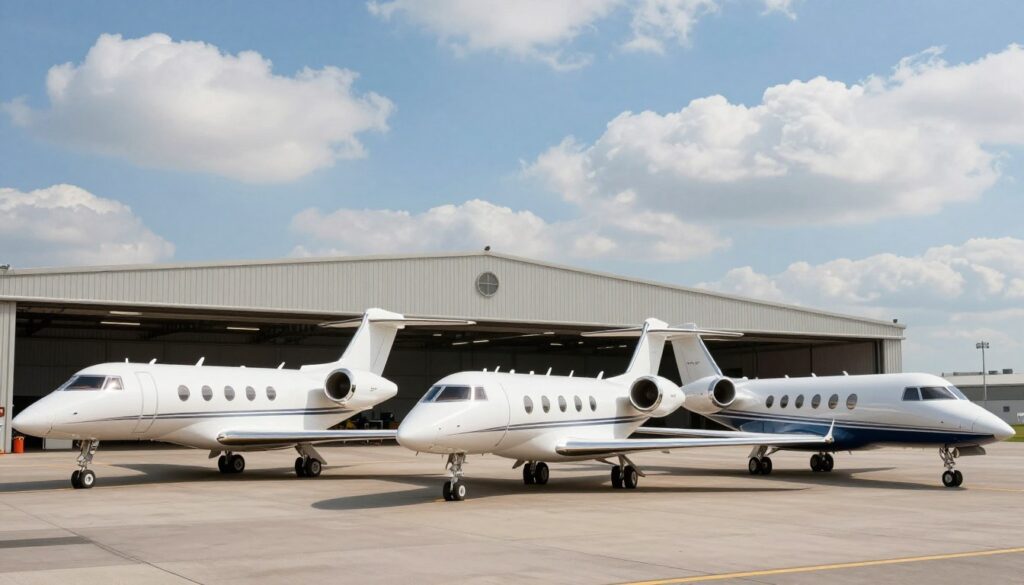
The Gulfstream IV, also known as the G-IV or GIV, is an icon among heavy jets. It can accommodate up to 14 passengers and features a completely customizable interior. With a range of around 4,500 miles, this aircraft is perfect for group travel on transcontinental and international routes.
| Aircraft Model | Type | Passenger Capacity | Range (miles) | Typical Hourly Rate |
|---|---|---|---|---|
| Cessna Citation XLS+ | Midsize | 6 | 2,100 | $6,000 – $8,000 |
| Phenom 300E | Light | 4 | 2,000 | $9,000 – $11,000 |
| Gulfstream IV | Heavy | 14 | 4,500 | $12,000 – $15,000 |
| Cessna Citation X | Midsize | 8 | 4,000 | $40,000+ |
| Beechcraft King Air 200 | Turboprop | 7 | 2,100 | $2,500 – $3,500 |
| Bombardier Learjet 60 | Midsize | 8 | 2,800 | $7,000 – $9,000 |
| Hawker Beechcraft 800XP | Midsize | 8 | 2,800 | $6,000 – $8,000 |
When you compare these popular models, you will notice that light jets like the Phenom 300E excel at short-haul efficiency. Meanwhile, heavy jets like the Gulfstream IV justify their higher cost through range, capacity, and onboard luxury. Understanding the typical charter costs for these popular private jets helps you benchmark quotes and select an aircraft that aligns with both your itinerary and your budget expectations.
Each of these aircraft brings a unique combination of range, speed, cabin comfort, and operating economics. Discussing your specific travel needs with a charter expert ensures you match the right jet to your trip.
Understanding How Your Private Jet Charter Service Adds Value
The value of a private jet service extends well beyond just the flight itself. When you choose a reputable provider, you gain access to a suite of services designed to enhance your travel experience. From personalized concierge support to transparent pricing, every detail is crafted to ensure your journey is seamless and enjoyable.
Personalized Concierge and Ground Transportation
A top-tier private jet service offers personalized concierge support that can arrange everything from in-flight catering to hotel bookings and spa reservations. This means you can focus on enjoying your trip while the details are handled for you. Ground transportation is another key aspect, ensuring a smooth door-to-door experience. Luxury sedans or SUVs can meet you planeside, with costs typically ranging from $180 to over $1,000 based on your specific needs.
24/7 Dedicated Charter Support
When you book with a reputable charter service, you gain access to 24/7 dedicated support. An assigned account manager will know your preferences and can handle last-minute itinerary changes at any hour. This level of support ensures that your travel plans remain flexible and stress-free, allowing you to make the most of your time.
Transparent Pricing and Trustworthiness
Transparent pricing is the hallmark of a trustworthy charter provider. You should receive an all-inclusive quote upfront that clearly breaks down hourly rates, taxes, fees, and any anticipated additional charges. Be cautious of quotes that seem unusually low; they may exclude essential costs like crew positioning or fuel surcharges, leading to unexpected bills after your flight.
Ultimately, the right charter partner transforms private aviation from a simple transaction into a relationship built on trust and reliability. With value-added services like complimentary Wi-Fi and customized catering, your private jet flight can be tailored to reflect your personal tastes and travel style.
Choosing a full-service private jet charter company rather than just a broker provides operational control and consistent quality standards. This single point of accountability ensures every aspect of your journey is managed effectively, making your travel experience exceptional.
Conclusion
In conclusion, you now have a comprehensive understanding of the costs associated with flying privately. The world of exclusive air travel is more accessible than many realize, with rates starting around $4,000 per hour. This guide has shown that with smart planning, you can make private aviation fit your budget.
Remember, the true value of flying privately extends beyond just the price. It includes the time saved by avoiding commercial terminals and the flexibility to travel on your schedule. Whether you’re flying a light aircraft for a short trip or a larger model for international travel, the right partner will provide transparent pricing and dedicated support.
As demand for private flights continues to grow, more travelers are discovering the benefits of chartering. By utilizing cost-sharing options and being open to flexible travel dates, you can enjoy a luxurious experience without the burdens of ownership. When you’re ready to book, reach out to a reputable service to get a personalized quote and embark on your next adventure.