
Some aircraft rates can differ by more than $20,000 in a single market. In Summer 2026, turboprops and very light aircraft may start near $1,500 to $3,000 an hour, while ultra-long-range models can reach $8,500 to $20,000 or more.
This guide shows why an advertised rate is only a starting point. Aircraft size, route length, passenger count, airport choice, taxes, fuel, crew, insurance, and scheduling needs all shape your final quote. Peak travel periods may also raise rates by about 20% to 50%.
Paramount’s 2026 database offers a useful market check. It tracks 120 aircraft across nine categories and verifies rates in August 2026. You will also see practical examples for New York–Los Angeles, Miami–Nassau, and Van Nuys–Teterboro.
Key Takeaways
- Summer 2026 pricing may range from about $1,500 to $23,000 an hour.
- Aircraft category strongly affects the final quote.
- Route distance and airport choice can change the total.
- Taxes and operating needs may sit outside the advertised rate.
- Peak dates often bring higher pricing.
- Real route examples help you plan with confidence.
What the Villiers Private Jet Cost Per Hour Really Means
A quoted aircraft rate is not always the amount shown on your final invoice. It usually covers the aircraft, crew, fuel, standard fuel surcharges, and insurance. Your confirmed charter price may include several extra items.
For a domestic U.S. private jet charter, expect a 7.5% Federal Excise Tax in many cases. Handling fees, airport charges, and crew expenses may also apply. Positioning can add value to the bill when the aircraft must travel to your departure airport first.
Base aircraft rates versus all-in charter pricing
Two requests for the same route can produce different costs. Availability, the operator’s home base, airport demand, and local aviation fees all affect pricing. Share your dates, passenger count, airports, and baggage needs for a more useful estimate.
How billable flight time affects your quote
Billable time generally follows wheels-up-to-wheels-down flight activity. Operators often add 0.1 hour for ground operations on each segment. This method can make a short trip appear longer than the time shown in the air.
Key gateways include Van Nuys, Teterboro, Miami-Opa Locka Executive, Dallas Love Field, and Chicago Midway.
Villiers Private Jet Cost Per Hour by Aircraft Category
Your ideal aircraft depends on more than the advertised rate. Consider passenger space, cabin comfort, fuel efficiency, range, and mission distance. These factors help you match the right option to regional trips, business travel, or longer flights.
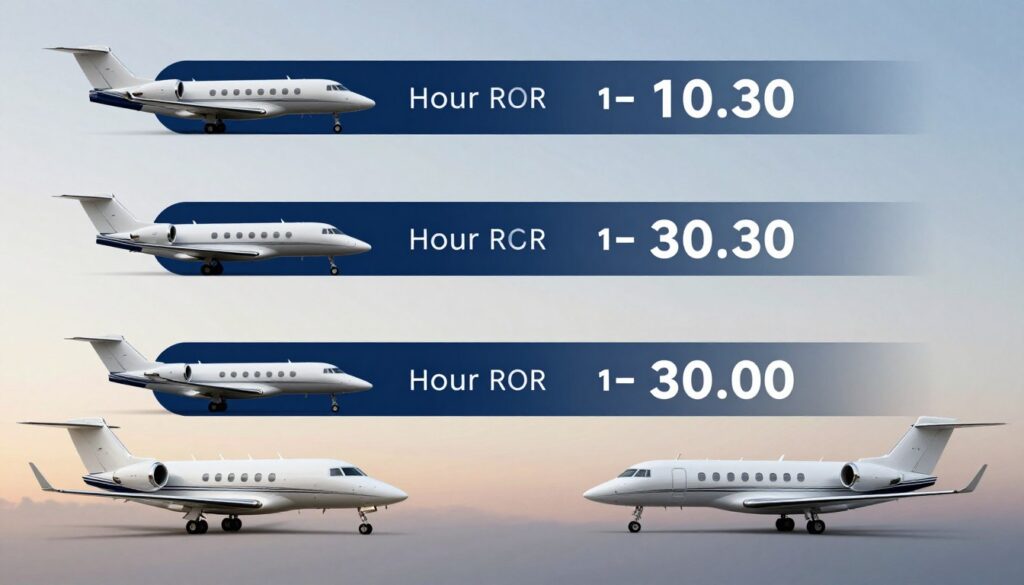

Turboprops and very light jets
Turboprops such as the Pilatus PC-12 usually run from $2,300 to $3,500 hourly. They offer strong efficiency for short U.S. routes. A Citation Mustang may run from $2,900 to $3,400 and suit three to six passengers.
Light jets and midsize jets
Light jets generally range from $3,750 to $4,200 and carry five to nine passengers. Midsize jets range from $4,700 to $5,500, with range reaching about 2,818 nautical miles. They add comfort and useful baggage space.
Super-midsize, heavy, and ultra-long-range jets
Super-midsize aircraft range from $6,200 to $7,500 and can reach 4,018 nautical miles. Large models run from $8,500 to $10,000 for 10 to 16 passengers. Ultra-long-range models reach $17,000, while VIP airliners can reach $23,000 for groups of up to 50.
What Your Villiers Charter Rate Typically Includes
Your quoted amount covers the core services needed for a smooth trip. In most cases, the standard rate includes the aircraft, trained crew, fuel, standard fuel surcharges, insurance, and routine maintenance. That base package supports a reliable private jet experience without adding every onboard request.
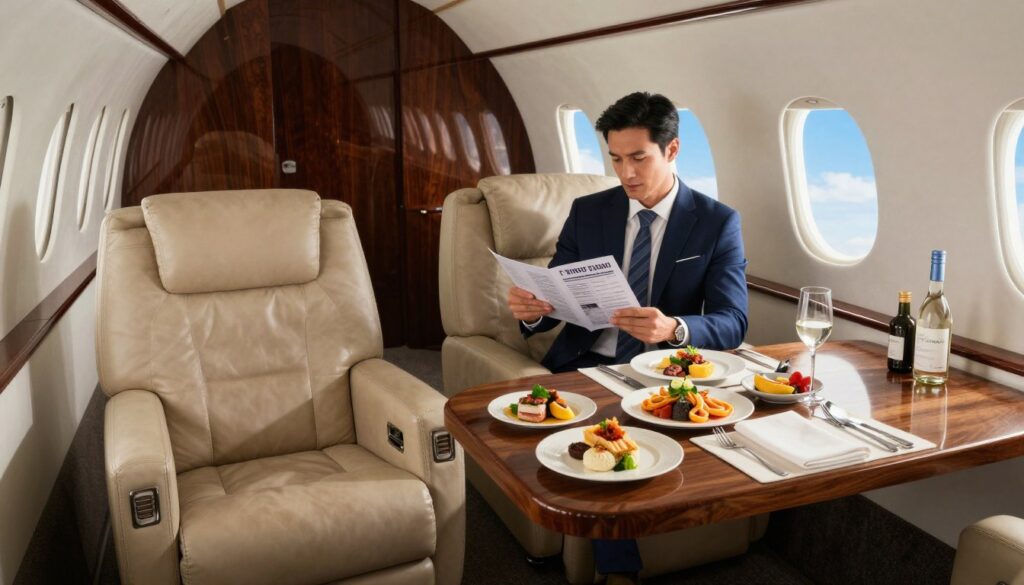
Aircraft, crew, fuel, and insurance
A professional operator should explain what the quote covers before you approve the charter. Safety credentials such as ARGUS, Wyvern, and IS-BAO can also help you compare operators with greater confidence.
Standard onboard service and refreshments
Most trips include water, soft drinks, coffee, snacks, and basic catering. Premium hot meals for four passengers may add about $600 to $2,000. High-speed Wi-Fi can also be extra, ranging from roughly $3 to $8.50 per megabyte when unlimited Starlink or Ka-band service is unavailable.
“Ask what is included before you approve the quote.”
- Confirm whether landing and ramp handling fees are included.
- Ask about ground transport, pet cleaning, and specialty service options.
- Review any international charges before departure.
How to Calculate Your Private Jet Trip Budget
Start with the route, then build the estimate in clear steps. Airborne time is the main starting point, not the final invoice. Airport pairs, aircraft performance, winds, routing, and operating conditions can change the result.

Estimate flight hours for your route
A Van Nuys–Teterboro flight usually takes 4.5–5.5 hours and may need a super-midsize aircraft. Miami–Opa Locka Executive–Teterboro takes about 2.5–3.5 hours. Dallas Love Field–Van Nuys takes 2.5–3 hours, while Chicago Midway–Teterboro takes 2–2.5 hours.
Multiply the hourly rate by billable time
Multiply expected billable hours by the selected aircraft rate. Then add tax, airport fees, positioning, and crew expenses. A Dallas route at $5,000–$8,500 hourly produces a base aircraft budget of about $12,500–$25,500. Daily minimums may apply even when the flight is shorter.
Turboprops can improve efficiency on short routes. Midsize jets may justify their cost when range and nonstop service matter.
| Route | Estimated flight time | Planning note |
|---|---|---|
| Van Nuys–Teterboro | 4.5–5.5 hours | Often requires a super-midsize aircraft |
| Miami–Teterboro | 2.5–3.5 hours | Review airport and handling fees |
| Dallas–Van Nuys | 2.5–3 hours | Base budget may reach $25,500 |
| Chicago–Teterboro | 2–2.5 hours | Check daily minimums |
Taxes and Fees That Can Increase the Final Cost
Your invoice can rise after the base pricing is set. Taxes and airport fees may add thousands of dollars to a domestic private jet trip. Review each line before approving the charter.

Federal Excise Tax and domestic segment fees
Qualifying U.S. domestic charter flights usually carry a 7.5% Federal Excise Tax. The 2026 domestic segment fee is $5.30 for each passenger on each flight leg. A multi-stop itinerary can therefore create several small fees.
Alaska and Hawaii routes add an $11.30 passenger tax. Landing and ramp fees often range from $150 to $2,000 or more at each airport. Fuel adjustments, handling, and operator fees should appear in your itemized quote.
International head taxes and specialty charges
International flights may use the $23.40 U.S. head tax instead of FET. Customs, immigration, agricultural checks, navigation, and other fees may also apply. UK Air Passenger Duty rose 50% in April 2026, reaching as much as £1,141 for some long-haul departures.
“Ask for an itemized quote so every charge is easy to review.”
- De-icing may add $1,500 to $12,000 or more.
- Confirm fees for each aircraft visit and flight leg.
- Compare the final cost, not only the advertised rate.
How Route, Airport, and Distance Affect Pricing
Airport choice shapes more than convenience. It can change aircraft availability, handling fees, parking, fuel needs, and the overall travel experience. A nearby field may offer better flexibility and lower costs when it has suitable runways and reliable FBO service.

Popular US business aviation airports
Van Nuys, Teterboro, Miami-Opa Locka Executive, Dallas Love Field, and Chicago Midway support strong business aviation activity. They offer useful terminals and frequent charter options, but landing and handling charges may carry a premium.
- High-demand areas include Los Angeles, New York, Miami, Dallas, and Chicago.
- Secondary airports may improve scheduling and reduce ground travel.
- Airport availability can affect the final charter quote.
Short regional flights versus coast-to-coast travel
Short trips often suit turboprops or very light aircraft with ranges near 1,100 to 1,974 nautical miles. A longer route may need a super-midsize or heavy aircraft. These models can offer about 2,700 to 4,018 nautical miles of range, while greater distance increases flight time, fuel use, and crew needs.
“The best airport pairing balances price, access, and schedule.”
How to Choose the Right Jet for Your Passengers
The best aircraft choice starts with how you plan to travel, not with a rate sheet. Review your passenger count, baggage, cabin height, seating layout, distance, and trip time before comparing a private jet or jet charter option.
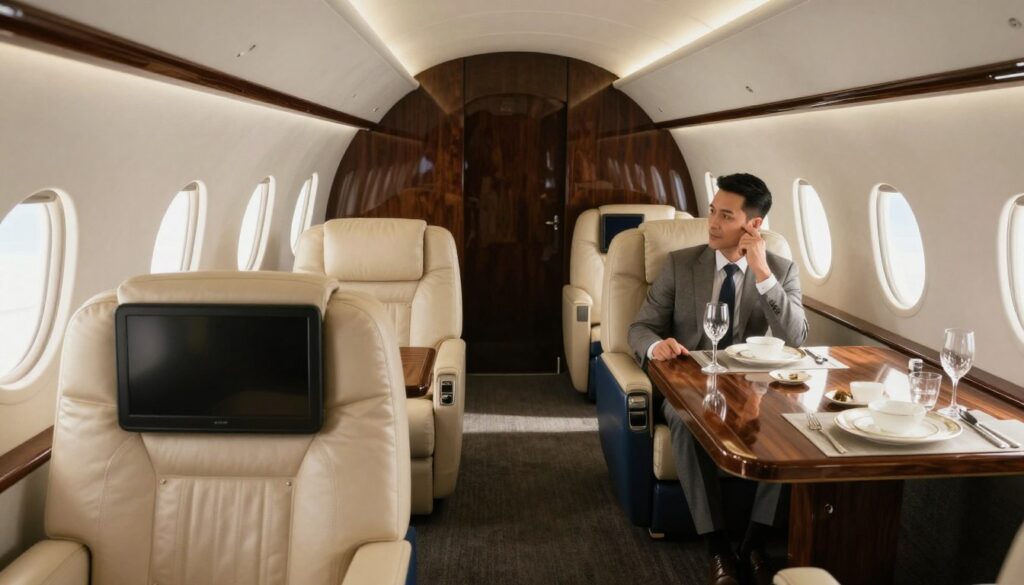
Passenger capacity, baggage, and cabin comfort
Light jets usually carry five to nine passengers and offer about 1,495 to 2,165 nautical miles of range. They work well for smaller groups and shorter business flights. Midsize jets hold seven to nine passengers, add cabin comfort, and reach about 2,818 nautical miles.
Super-midsize aircraft carry seven to ten passengers and may provide a stand-up cabin with range near 4,018 nautical miles. Large aircraft suit 10 to 16 passengers, while ultra-long-range models hold 12 to 19. VIP airliners accommodate about 18 to 50 passengers and offer cabin heights from 6.6 to 7.3 feet.
Range, speed, and nonstop capability
Choose a jet charter that matches your route. Larger aircraft help with heavy baggage, longer flights, and nonstop travel. The right size protects your budget by avoiding unused cabin space or an underpowered aircraft.
How Aircraft Age and Model Change the Hourly Rate
Two aircraft in the same class can show very different pricing. Age, cabin condition, maintenance history, and onboard systems all shape the final private jet cost.
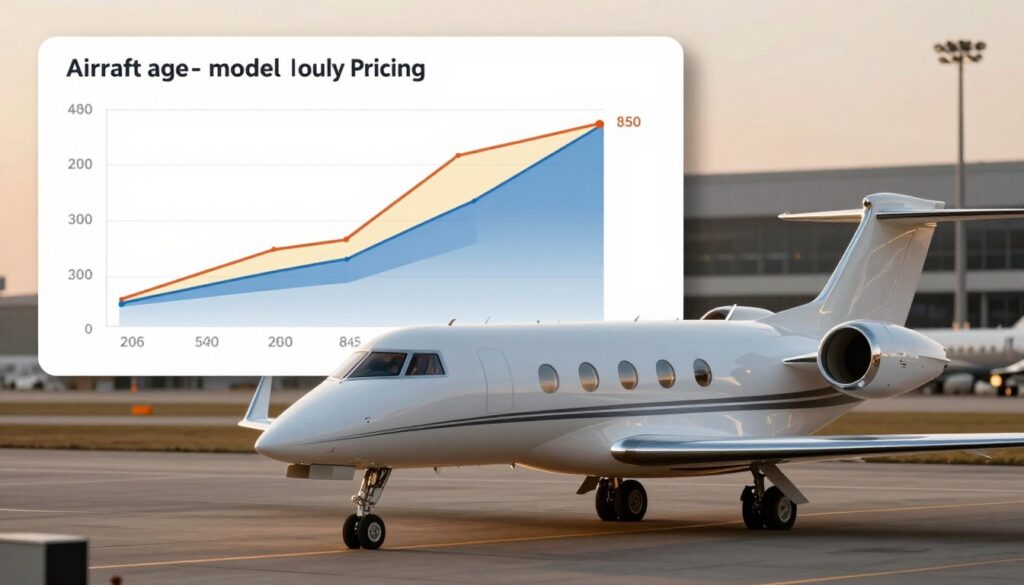
Aircraft aged zero to five years may command a $100 to $1,000 or greater hourly premium. A specific model can change the quote by about $200 to $2,000. Newer systems may improve fuel efficiency, Wi-Fi, sound insulation, and lower emissions.
The HondaJet Elite offers Garmin G3000 avionics and synthetic vision technology. It shows how modern design can support a higher-value jet charter experience. You should also compare range, cabin comfort, connectivity, and passenger needs.
“Choose the right aircraft, not simply the newest aircraft.”
- Review maintenance records and cabin condition.
- Compare fuel use, range, and seating size.
- Ask whether Wi-Fi and upgraded avionics are included.
| Factor | Potential impact | What to check |
|---|---|---|
| Age | $100–$1,000+ premium | Cabin and maintenance |
| Model | $200–$2,000 difference | Systems and efficiency |
| Technology | Higher value | Wi-Fi and avionics |
Positioning, Crew, and Operational Costs to Watch
Behind every quote sits a network of operational decisions. A short trip can carry extra charges when the aircraft starts far from your airport. Reviewing these items helps you judge the real cost of a private jet charter.

Aircraft repositioning and ferry flights
Operators may move an aircraft to your departure point before the flight begins. This positioning charge often ranges from $2,000 to $8,000, based on distance and scheduling. It can sharply raise the effective rate on a brief trip.
Crew overnights, daily minimums, and short-leg fees
Crew lodging, meals, and ground transport usually add $200 to $600 for each crew member each night. Rest rules may also require an overnight stay. Light and midsize aircraft often carry a 2.0-hour daily minimum, while large models may require 2.5 to 3.0 hours.
Ask operators about short-leg fees, landing and ramp charges, fuel changes, and aviation support. De-icing may add $1,500 to $12,000, while a heated hangar can add $500 to $1,500 daily.
“Review every operational line before approving the trip.”
| Charge | Typical range | When it applies |
|---|---|---|
| Positioning | $2,000–$8,000 | Aircraft starts elsewhere |
| Crew overnight | $200–$600 each night | Rest or multi-day trip |
| Landing and ramp | $150–$2,000+ | Airport visit |
| De-icing | $1,500–$12,000+ | Winter operations |
How Seasonal Demand Influences Private Jet Pricing
Travel calendars can shift a charter quote before fuel or routing enters the discussion. Thanksgiving week and December 20 through January 5 often bring concentrated demand. Friday-to-Sunday flights may also carry a premium as families and business travelers compete for limited availability.
Major events create even sharper changes. During the 2025 Super Bowl in Las Vegas, light aircraft rates rose from about $4,000 to $7,000 per hour. Super Bowl weekend, Coachella, and the Monaco Grand Prix can push pricing 50% to 100% higher on routes with few open aircraft.
Summer 2026 demand remains sensitive to leisure weeks, major events, and preferred business aviation airports. Booking four to six weeks ahead can improve aircraft choice and your travel experience. Flexible dates may also help you find better value.
“Early planning gives you more control when demand rises.”
- Compare weekday and weekend departure options.
- Ask about nearby airports with stronger availability.
- Confirm whether event surcharges affect the charter quote.
Illustrative Villiers Charter Cost Examples by Route
Route length, cabin size, and aircraft availability can change your quote quickly. These examples show how a private jet charter may vary before taxes, landing charges, fuel, or other fees.
Transcontinental U.S. flight estimates
A Van Nuys–Teterboro flight takes about 4.5–5.5 hours. A super-midsize aircraft creates a base estimate of $31,500–$49,500. New York–Los Angeles ranges from about $40,000 in a super-midsize aircraft to $62,000 in an ultra-long-range model.
Regional and short-haul trip estimates
Shorter missions offer more options. New York–Miami ranges from $17,000 in a light jet to $23,000 in a midsize jet. Miami–Nassau begins near $6,000 in a turboprop, while Los Angeles–Las Vegas ranges from $7,500 to $11,000.
Use these figures as planning guides, not fixed quotes. Your passenger count, schedule, and airport choice still matter.
| Route | Flight time | Base estimate |
|---|---|---|
| Miami–Teterboro | 2.5–3.5 hours | $12,500–$28,000 |
| Dallas–Van Nuys | 2.5–3 hours | $12,500–$25,500 |
| Chicago–Teterboro | 2–2.5 hours | $7,000–$18,750 |
| Miami–Nassau | Short regional flight | From about $6,000 |
Ways to Reduce Your Private Jet Charter Costs
Smart planning can make premium air travel more efficient without reducing comfort. Your dates, airport choice, aircraft size, and schedule all affect the final price.

Flexible dates and off-peak departures
Tuesday through Thursday flights often face less demand than Friday or Sunday departures. If your schedule allows, this change may improve pricing and aircraft availability. Booking four to six weeks ahead also gives you more options during busy summer travel.
Empty-leg opportunities and nearby airports
Empty-leg flights may offer discounts of about 25% to 75%. They follow fixed schedules, so you may need flexibility within a seven- to 14-day window. This option works best when departure time matters less than value.
Compare Teterboro with nearby suburban airports. Lower handling fees and stronger availability may reduce total costs. For shorter routes, newer light jets or a turboprop can offer useful range and about 15% to 20% better fuel efficiency than older models. Choose an aircraft that fits your passengers, baggage, and trip length.
What to Check Before You Request a Villiers Quote
Good questions can make a charter quote easier to compare. Before you request a private jet charter, prepare your route, airports, travel dates, departure time, passenger count, baggage needs, and return plans.
Ask whether the hourly rate covers the aircraft, crew, fuel, insurance, standard surcharges, and refreshments. Request separate figures for positioning, Federal Excise Tax, the $5.30 segment fee per passenger per leg, landing, ramp handling, crew overnights, and de-icing. Crew lodging may add $200 to $600 per person each night. Airport fees can range from $150 to $2,000 or more.
- Confirm the model, age, cabin size, baggage space, Wi-Fi, range, and nonstop ability.
- Compare light jets and midsize jets by comfort, seating, and route distance.
- Check operator oversight through ARGUS Gold, Wyvern Wingman, IS-BAO, TripCHEQ, or PASS.
- Review billable hours, cancellation rules, payment terms, and as-incurred charges.
Paramount’s database tracks 120 aircraft across nine categories and uses booked-trip pricing. Use that data as a market reference, then ask for a clear, itemized proposal from the operator.
Conclusion
Your private jet charter plan should reflect the route, aircraft size, passengers, billable time, airport, taxes, and operating fees. Current pricing ranges from about $2,300 per hour for turboprops to $23,000 for VIP airliners. Treat these figures as planning benchmarks, not a final quote.
Choose aircraft that match your range, cabin needs, baggage, and travel goals. Light jets may suit short business flights, while midsize jets add comfort for longer journeys. Nearby airports, flexible dates, empty-leg options, and efficient fuel use may help control costs.
Before booking, ask operators for a complete breakdown of the aircraft, crew, insurance, positioning, landing fees, taxes, and possible as-incurred charges. Compare route examples, safety standards, and total pricing. With the right questions, you can select a charter that balances value, convenience, and a confident aviation experience.